Oil filters are essential components used in automobiles, commercial vehicles, tractors, construction equipment, generators, hydraulic systems, compressors, industrial machinery, and power equipment. Their primary function is to remove contaminants, dirt, metal particles, and sludge from lubricating oil, helping improve engine performance and extend equipment life. As India’s automotive and industrial sectors continue to grow, demand for high-quality oil filters remains strong.
India has a well-developed filtration industry with several manufacturers supplying oil filters for OEMs, aftermarket distributors, industrial users, and export markets. This guide highlights some of the leading oil filter suppliers in India based on product quality, manufacturing capabilities, industry experience, and market reputation.
Quick Comparison
| Supplier | Headquarters | Specialization | Industries Served |
| Fleetguard Filters Pvt. Ltd. | Pune, Maharashtra | Automotive & Industrial Filters | Automotive, Industrial |
| Elofic Industries Ltd. | Faridabad, Haryana | Automotive Filtration Solutions | OEM & Aftermarket |
| MANN+HUMMEL Filter India | Gurugram, Haryana | Premium Filtration Systems | Automotive & Industrial |
| Mahle Filter Systems India | Pune, Maharashtra | Automotive Oil Filters | OEM Manufacturers |
| Zenith Auto Industries | New Delhi | Oil, Air & Fuel Filters | Automotive Aftermarket |
| Purofil Auto India Pvt. Ltd. | Delhi NCR | Auto & Industrial Filters | Automotive & Industrial |
| Luman Industries Ltd. | Rudrapur, Uttarakhand | Automotive Filters | OEM & Replacement Market |
| Roots Automotives Pvt. Ltd. | Coimbatore, Tamil Nadu | Two-Wheeler & Automotive Filters | Automotive Industry |
| VATS Filters | Pune, Maharashtra | Industrial Oil Filtration Systems | Industrial Applications |
| RPS Filters Pvt. Ltd. | Pune, Maharashtra | Automotive Oil Filters | Automotive Sector |
How We Selected These Oil Filter Suppliers
The companies featured in this list were evaluated based on:
- Product quality
- Manufacturing experience
- OEM partnerships
- Product range
- Distribution network
- Export capabilities
- Certifications
- Customer reputation
- Technical expertise
Top Oil Filter Suppliers in India
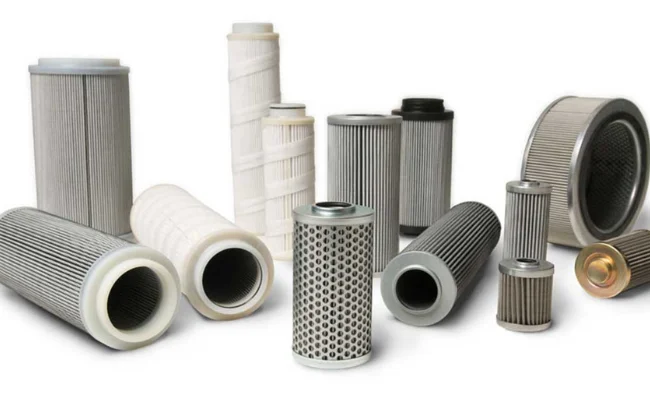
- Fleetguard Filters Pvt. Ltd.
Fleetguard is one of India’s largest filtration companies and a leading supplier of oil filters, air filters, hydraulic filters, fuel filters, and filtration solutions for automotive and industrial applications. The company is widely recognized for its advanced filtration technologies and strong OEM presence.
Company Details
| Particulars | Details |
| Headquarters | Pune, Maharashtra |
| Industry | Filtration Solutions |
| Products | Oil Filters, Air Filters, Hydraulic Filters |
| Industries Served | Automotive, Industrial |
| Website | Official Company Website |
Key Products
- Engine oil filters
- Hydraulic oil filters
- Lube filters
- Industrial filtration systems
Contact Information
- Headquarters: Pune, Maharashtra
- Website: Official Company Website
- Elofic Industries Limited
Elofic is one of India’s oldest filtration brands and has over seven decades of experience manufacturing automotive and industrial filtration products. The company supplies filters to major automotive OEMs and aftermarket customers.
Company Details
| Particulars | Details |
| Headquarters | Faridabad, Haryana |
| Experience | 75+ Years |
| Products | Oil Filters, Fuel Filters, Air Filters |
| Industries Served | Automotive, Heavy Equipment |
Key Products
- Oil filters
- Fuel filters
- Cabin filters
- Industrial filtration products
Contact Information
- Headquarters: Faridabad, Haryana
- Website: Official Company Website
- MANN+HUMMEL Filter India
MANN+HUMMEL is a globally recognized filtration company supplying premium oil filtration solutions for passenger vehicles, commercial vehicles, industrial machinery, and OEM manufacturers.
Key Products
- Engine oil filters
- Industrial oil filters
- Hydraulic filtration products
- Heavy-duty filtration systems
Contact Information
- Headquarters: Gurugram, Haryana
- Website: Official Company Website
- Mahle Filter Systems India
Mahle is one of the world’s leading automotive component manufacturers and supplies advanced oil filtration products to vehicle manufacturers and aftermarket distributors.
Key Products
- Automotive oil filters
- Commercial vehicle filters
- Industrial filters
- OEM filtration systems
Contact Information
- Headquarters: Pune, Maharashtra
- Website: Official Company Website
- Zenith Auto Industries
Zenith Filters is a well-known Indian manufacturer of oil filters, fuel filters, hydraulic filters, and automotive filtration products. The company has been serving domestic and export markets since 1975.
Company Details
| Particulars | Details |
| Headquarters | New Delhi |
| Established | 1975 |
| Products | Oil Filters, Fuel Filters, Air Filters |
| Markets Served | Domestic & Export |
Key Products
- Engine oil filters
- Hydraulic filters
- Fuel filters
- Steering filters
Contact Information
- Phone: +91 93122 89453
- Email: sales@zenithfilters.com
- Website: Official Company Website
- Purofil Auto India Pvt. Ltd.
Purofil Auto is an OEM and ISO-certified manufacturer producing automotive and industrial filters. The company exports products to multiple international markets and offers a broad filtration portfolio.
Key Products
- Oil filters
- Air filters
- Fuel filters
- Hydraulic filters
- Industrial filtration products
Contact Information
- Headquarters: Delhi NCR
- Website: Official Company Website
- Luman Industries Limited
Luman Industries is a major supplier of automotive filtration products and serves both OEM and replacement markets. The company manufactures oil filters, air filters, and fuel filtration systems.
Key Products
- Automotive oil filters
- Air filters
- Fuel filters
- OEM filtration products
Contact Information
- Headquarters: Rudrapur, Uttarakhand
- Website: Official Company Website
- Roots Automotives Pvt. Ltd.
Roots Automotives has extensive experience in manufacturing automotive filtration products, especially for two-wheelers and passenger vehicles. The company supplies OEMs and aftermarket distributors.
Key Products
- Two-wheeler oil filters
- Passenger vehicle oil filters
- Fuel filters
- Air filters
Contact Information
- Headquarters: Coimbatore, Tamil Nadu
- Website: Official Company Website
- VATS Filters
VATS Filters specializes in industrial oil filtration systems and filtration technologies designed for commercial and industrial applications. The company manufactures filter elements and complete filtration systems in-house.
Key Products
- Oil filtration systems
- Industrial oil filters
- Filtration machinery
- Hydraulic filtration systems
Contact Information
- Headquarters: Pune, Maharashtra
- Website: Official Company Website
- RPS Filters Pvt. Ltd.
RPS Filters manufactures oil filters for automotive and industrial applications. The company offers filtration solutions designed to improve equipment efficiency and reliability.
Key Products
- Automotive oil filters
- Industrial oil filters
- Engine filtration products
Contact Information
- Headquarters: Pune, Maharashtra
- Website: Official Company Website
Types of Oil Filters Available in India
Engine Oil Filters
Used in passenger cars, motorcycles, commercial vehicles, and tractors to remove contaminants from engine oil.
Hydraulic Oil Filters
Designed for hydraulic systems used in industrial machinery and construction equipment.
Spin-On Oil Filters
Among the most common oil filter designs used in automotive applications.
Cartridge Oil Filters
Replaceable filter element systems used in modern vehicles and industrial machinery.
Industrial Oil Filters
Used in manufacturing plants, compressors, turbines, and hydraulic equipment.
Industries That Use Oil Filters
Oil filters are widely used in:
- Automotive Industry
- Commercial Vehicles
- Agriculture Equipment
- Construction Equipment
- Manufacturing Plants
- Power Generation
- Mining Industry
- Marine Industry
- Industrial Machinery
- Oil & Gas Sector
How to Choose an Oil Filter Supplier
Product Quality
Choose suppliers using high-quality filtration media and manufacturing standards.
OEM Compatibility
Verify compatibility with vehicle or equipment specifications.
Certifications
Look for ISO-certified manufacturers and OEM-approved suppliers.
Product Range
Suppliers offering multiple filtration solutions can better support long-term requirements.
Distribution Network
A strong supply chain helps ensure timely product availability.
Technical Support
Reliable technical assistance is important for industrial applications.
Oil Filter Industry in India
India’s oil filter market continues to grow alongside rising vehicle ownership, industrial expansion, and increasing demand for preventive maintenance solutions. Growth in automotive production, commercial transportation, agriculture mechanization, and industrial machinery usage is supporting long-term demand for oil filtration products.
Frequently Asked Questions
Which are the leading oil filter suppliers in India?
Fleetguard, Elofic, MANN+HUMMEL, Mahle, Zenith Filters, and Purofil Auto are among the leading oil filter suppliers in India.
What is the purpose of an oil filter?
An oil filter removes dirt, contaminants, sludge, and metal particles from lubricating oil, helping protect engines and machinery.
Which industries use oil filters the most?
Automotive, industrial manufacturing, mining, agriculture, power generation, and construction sectors are major users of oil filters.
Are Indian oil filter manufacturers exporting internationally?
Yes. Many leading Indian manufacturers export oil filters and filtration products to Asia, Africa, Europe, the Middle East, and North America.
Conclusion
India has a strong filtration manufacturing sector with numerous companies supplying high-quality oil filters for automotive, industrial, agricultural, and heavy-equipment applications. Companies such as Fleetguard, Elofic, MANN+HUMMEL, Mahle, Zenith Filters, and Purofil Auto have built strong reputations through quality products, technical expertise, and extensive distribution networks. Before selecting a supplier, compare filtration efficiency, certifications, OEM compatibility, product range, and service support to identify the best solution for your requirements.