In today’s fast-moving business environment, companies can no longer rely on disconnected procurement systems and manual supplier communication. Whether it’s manufacturing, retail, e-commerce, automotive, pharmaceuticals, or construction, businesses increasingly depend on digital platforms and supplier relationship systems to manage sourcing efficiently. This is where the concept of Supplier Connect becomes extremely important.
A supplier connect system helps businesses, vendors, manufacturers, distributors, and procurement teams collaborate more effectively through centralized communication and supply chain management tools.
In this detailed guide, we’ll explore:
- What supplier connect means
- How supplier connect platforms work
- Benefits for businesses and suppliers
- Industries using supplier networks
- B2B supply chain trends in India
- Challenges in supplier management
- Future of digital supplier ecosystems
What Is Supplier Connect?
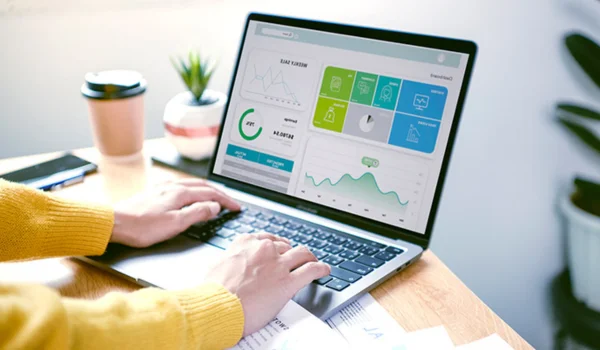
“Supplier Connect” generally refers to a digital platform, portal, or supplier management system that allows businesses and suppliers to communicate, manage procurement, exchange documents, and monitor supply chain activities in a centralized environment.
These systems help companies:
- Manage vendors
- Process purchase orders
- Track deliveries
- Handle invoices
- Monitor supplier performance
- Improve procurement efficiency
In simple terms, supplier connect acts as a bridge between buyers and suppliers.
Why Supplier Connect Systems Are Becoming Important
Traditional supplier management often involved:
- Emails
- Phone calls
- Paper invoices
- Manual tracking
- Spreadsheet-based procurement
As businesses scale, these methods create:
- Delays
- Errors
- Miscommunication
- Inventory problems
- Payment disputes
Digital supplier connect systems solve many of these operational issues.
How Supplier Connect Platforms Work
A supplier connect platform usually provides a centralized dashboard where suppliers and buyers can interact.
Common Functions Include
Purchase Order Management
Suppliers receive and manage orders digitally.
Invoice & Payment Tracking
Businesses can monitor:
- Pending payments
- Invoice approvals
- Settlement cycles
Inventory Visibility
Real-time stock tracking improves planning.
Delivery Monitoring
Companies track shipment status and logistics updates.
Supplier Documentation
Important documents can be uploaded and managed digitally.
Examples:
- GST certificates
- Compliance records
- Contracts
- Quality certifications
Industries That Use Supplier Connect Systems
Manufacturing Industry
Factories manage raw material suppliers through centralized procurement systems.
Automotive Sector
Vehicle manufacturers depend on complex vendor networks.
Retail & E-Commerce
Online marketplaces coordinate with thousands of suppliers.
Pharmaceutical Industry
Compliance-heavy industries require strong supplier documentation systems.
Construction Industry
Builders and contractors manage multiple material vendors simultaneously.
Benefits of Supplier Connect for Businesses
Better Supply Chain Visibility
Companies can monitor procurement activities in real time.
Faster Communication
Centralized systems reduce operational delays.
Reduced Manual Errors
Automation minimizes data-entry mistakes.
Improved Vendor Relationships
Transparent communication strengthens long-term supplier partnerships.
Better Cost Control
Digital procurement systems improve pricing and operational efficiency.
Benefits for Suppliers
Supplier connect systems are not only beneficial for buyers.
Suppliers also gain:
- Faster order processing
- Better payment visibility
- Easier communication
- Long-term business opportunities
- Improved operational planning
Why Supplier Relationships Matter in Modern Business
In many industries, supplier performance directly affects:
- Product quality
- Delivery timelines
- Customer satisfaction
- Production continuity
A weak supplier ecosystem can disrupt entire operations.
This is why companies increasingly invest in supplier management technology.
Types of Supplier Connect Platforms
Enterprise Supplier Portals
Large corporations often build customized vendor management systems.
Examples include procurement portals used by:
- Automotive manufacturers
- Retail chains
- Infrastructure companies
Marketplace-Based Supplier Networks
B2B marketplaces connect suppliers and buyers digitally.
Popular examples:
- IndiaMART
- TradeIndia
ERP-Integrated Supplier Systems
Many businesses integrate supplier management directly into ERP platforms.
Popular enterprise software includes:
- SAP
- Oracle
- Microsoft solutions
Supplier Connect in Indian Business Ecosystem
India’s supply chain ecosystem is becoming more digitized because of:
- GST implementation
- E-invoicing adoption
- E-commerce expansion
- Manufacturing growth
- Digital procurement systems
Even small and medium enterprises (SMEs) are increasingly using supplier management platforms.
Challenges Businesses Face Without Supplier Connect
Poor Communication
Email chains often create confusion.
Delayed Procurement
Manual systems slow down purchasing cycles.
Lack of Transparency
Businesses struggle to track supplier performance effectively.
Compliance Risks
Missing documentation can create regulatory issues.
Key Features Businesses Look for in Supplier Connect Platforms
User-Friendly Dashboard
Easy navigation improves adoption.
Real-Time Notifications
Instant updates improve coordination.
Data Security
Procurement and financial data require strong protection.
Multi-User Access
Large teams need role-based access control.
Analytics & Reporting
Businesses increasingly use data insights for procurement optimization.
B2B Market Trends in Supplier Management
AI-Based Procurement
Artificial intelligence is helping businesses predict demand and optimize sourcing.
Cloud-Based Platforms
Cloud systems improve scalability and accessibility.
Mobile Supplier Management
Businesses increasingly manage procurement through smartphones.
Automated Compliance Tracking
Digital systems help maintain vendor compliance records automatically.
Supplier Connect vs Traditional Procurement
| Feature | Traditional System | Supplier Connect |
| Communication | Manual | Digital |
| Order tracking | Slow | Real-time |
| Documentation | Paper-based | Centralized |
| Payment visibility | Limited | Transparent |
| Error rate | Higher | Lower |
How SMEs Can Benefit From Supplier Connect Systems
Small businesses often think supplier management tools are only for large corporations. However, SMEs can also benefit significantly.
Advantages include:
- Better inventory planning
- Faster procurement
- Vendor comparison
- Improved cash flow visibility
Future of Supplier Connect Systems
The future of supplier management is likely to include:
- AI-driven procurement
- Blockchain-based supply tracking
- Predictive inventory management
- Smart contract automation
- Integrated logistics systems
Supply chain digitization will continue expanding across industries.
Common Mistakes Companies Make
Choosing Complex Systems
Overly complicated platforms reduce user adoption.
Ignoring Supplier Training
Suppliers also need onboarding support.
Poor Data Management
Incorrect procurement data creates operational issues.
Lack of Integration
Disconnected systems reduce efficiency.
Frequently Asked Questions (FAQs)
What is supplier connect?
Supplier connect is a digital system or platform that helps businesses and suppliers manage procurement and communication efficiently.
Which industries use supplier connect systems?
Manufacturing, retail, automotive, pharma, construction, and e-commerce industries commonly use them.
Why are supplier management platforms important?
They improve communication, reduce errors, and increase supply chain efficiency.
Can SMEs use supplier connect systems?
Yes, many affordable cloud-based solutions are available for small businesses.
What is the future of supplier management?
The future includes AI automation, cloud platforms, predictive analytics, and digital procurement ecosystems.
Final Thoughts
The concept of Supplier Connect reflects the growing transformation of modern business supply chains. As industries become more digitized and globally interconnected, efficient supplier communication and procurement management are becoming critical competitive advantages.
For businesses, supplier connect systems improve:
- Operational efficiency
- Vendor collaboration
- Procurement transparency
- Supply chain reliability
- Cost management
For suppliers, these platforms create stronger business relationships, faster communication, and long-term growth opportunities.
As India’s manufacturing, retail, and digital commerce sectors continue expanding, supplier connect platforms are expected to become a central part of the country’s evolving B2B infrastructure ecosystem.