Haryana has emerged as one of the most important contributors to India’s Basmati rice industry. Known for its fertile agricultural land, advanced farming practices, and strong export infrastructure, the state plays a vital role in producing and exporting premium-quality Basmati rice to global markets.
From the rice-growing belts of Karnal and Kaithal to the export hubs supplying the Middle East, Europe, and North America, Haryana’s Basmati rice market has evolved into a multi-billion-dollar agricultural ecosystem. Today, the state is not only a leading producer of Basmati rice but also a major contributor to India’s export earnings from the commodity. Reports indicate that Haryana contributes around 60–65% of India’s Basmati rice exports, highlighting its dominant position in the sector.
Overview of the Basmati Rice Industry in Haryana
Basmati rice is a premium long-grain aromatic rice variety that enjoys strong demand worldwide. India is the world’s largest producer and exporter of Basmati rice, accounting for more than 70% of global production. Haryana is among the key states driving this dominance.
The state’s favorable agro-climatic conditions, fertile alluvial soil, and well-developed irrigation network create ideal conditions for cultivating high-quality Basmati rice. Over the years, Haryana has developed a complete value chain consisting of farmers, millers, processors, exporters, logistics providers, and international buyers.
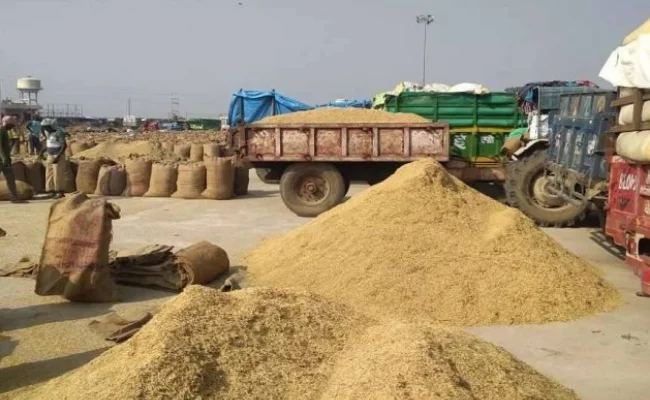
Why Haryana is Famous for Basmati Rice
Several factors have contributed to Haryana’s success in the Basmati rice market:
Fertile Agricultural Land
The Indo-Gangetic plains provide nutrient-rich soil suitable for growing aromatic rice varieties.
Favorable Climate
The state’s climatic conditions support grain elongation, aroma development, and superior cooking characteristics that are highly valued in international markets.
Strong Irrigation Infrastructure
Extensive canal networks and groundwater resources have enabled farmers to cultivate Basmati rice on a large scale.
Modern Rice Milling Facilities
Haryana is home to numerous advanced rice mills equipped with modern processing, sorting, grading, and packaging technologies that help maintain export-quality standards.
Major Basmati Rice Producing Districts in Haryana
Several districts contribute significantly to the state’s Basmati production.
| District | Key Significance |
| Karnal | Known as the Rice Bowl of Haryana |
| Kaithal | Major Basmati cultivation region |
| Kurukshetra | High-quality aromatic rice production |
| Panipat | Important rice-growing belt |
| Ambala | Significant Basmati cultivation area |
| Yamunanagar | Expanding Basmati production |
| Sonipat | Strong presence of rice processing units |
Among these, Karnal is widely recognized as the leading Basmati-producing district due to its favorable agricultural conditions and long-standing reputation for premium-quality rice.
Popular Basmati Rice Varieties Grown in Haryana
Farmers in Haryana cultivate several premium Basmati varieties to cater to domestic and international demand.
1121 Basmati Rice
The most popular export variety known for its extra-long grain length and exceptional elongation after cooking.
Pusa Basmati 1509
Favored for its early maturity and high yield potential.
Traditional Basmati
Known for its distinctive aroma and premium positioning in international markets.
Pusa Basmati 1718
Offers disease resistance and improved productivity while maintaining quality characteristics.
PB-1885 and Other Improved Varieties
Newer varieties are being adopted to enhance yield, profitability, and sustainability.
Export Market Opportunities
The export sector is the backbone of Haryana’s Basmati rice industry.
India exported over 6 million metric tonnes of Basmati rice worth more than ₹50,000 crore during 2024-25. Major export destinations include Saudi Arabia, Iraq, Iran, the United Arab Emirates, and Yemen. Haryana-based exporters account for a substantial share of these shipments.
Major Export Destinations
- Saudi Arabia
- United Arab Emirates
- Iran
- Iraq
- Kuwait
- Qatar
- Oman
- United Kingdom
- United States
- Canada
Demand from Gulf countries remains particularly strong due to the popularity of Basmati rice in regional cuisine.
Key Market Participants
Haryana’s Basmati ecosystem includes:
Farmers
Thousands of farmers cultivate Basmati rice across the state.
Rice Millers
Modern milling units process paddy into export-quality rice.
Exporters
Export companies handle packaging, quality certification, and international distribution.
Traders and Aggregators
They connect farmers with processors and exporters.
Logistics Providers
Efficient transportation and port connectivity support global shipments.
The presence of established rice exporters and processing facilities has strengthened Haryana’s position as a global Basmati hub.
Market Trends Driving Growth
Rising Global Demand
Premium rice consumption continues to increase in international markets, particularly in the Middle East and developed economies.
Expansion of Branded Rice Sales
Consumers are increasingly preferring branded Basmati products due to quality assurance and consistency.
Improved Farming Technologies
Use of better seeds, mechanization, and precision agriculture is helping farmers improve productivity.
Growth in Online Food Retail
E-commerce platforms are expanding the reach of premium rice brands both domestically and internationally.
Record Export Performance
India’s Basmati exports reached record levels in recent years, further strengthening demand for rice produced in Haryana.
Challenges Facing Haryana’s Basmati Rice Market
Despite its success, the industry faces several challenges.
Water Scarcity
Rice cultivation requires substantial water resources. Groundwater depletion has become a growing concern in parts of Haryana. Experts have highlighted the environmental pressure created by intensive rice cultivation in the state.
Price Volatility
International market fluctuations can affect farmer incomes and exporter margins.
Climate Change
Changing weather patterns may impact productivity and grain quality.
Competition from Other Regions
States such as Punjab, Uttar Pradesh, and Madhya Pradesh are expanding their presence in the premium rice segment.
Trade Policy Changes
Export regulations, tariffs, and global trade dynamics can influence market performance.
Future Outlook
The future of Haryana’s Basmati rice market remains highly promising. Increasing global demand for premium food products, rising export opportunities, and advancements in agricultural technology are expected to support continued growth.
Government initiatives, research institutions, and industry stakeholders are working together to improve productivity, sustainability, and export competitiveness. As global consumers increasingly seek high-quality aromatic rice, Haryana is likely to retain its leadership position in India’s Basmati rice industry.
Conclusion
Haryana’s Basmati rice market is a cornerstone of India’s agricultural export economy. With world-class rice-growing regions, advanced milling infrastructure, strong export networks, and a reputation for premium quality, the state has become one of the most influential players in the global Basmati trade.
Districts such as Karnal, Kaithal, Kurukshetra, and Panipat continue to drive production, while exporters connect Haryana’s rice industry with consumers across more than 100 countries. Although challenges such as water management and market volatility remain, the state’s strong agricultural foundation and export-oriented ecosystem position it for long-term growth and global leadership in the Basmati rice sector.