Industrial filtration plays a critical role in maintaining product quality, workplace safety, environmental compliance, and operational efficiency. Whether you operate in the cement, pharmaceutical, food processing, chemical, steel, power generation, or textile industry, the performance of your filtration system largely depends on the quality of the filter bags you use.
With hundreds of manufacturers and distributors available across the country, selecting the right filter bag supplier in India can be challenging. A poor-quality supplier can lead to frequent bag failures, higher maintenance costs, production downtime, and non-compliance with pollution control regulations.
This guide explains the key factors businesses should consider when choosing the best filter bag supplier for industrial filtration applications.
Why Filter Bags Are Important in Industrial Filtration
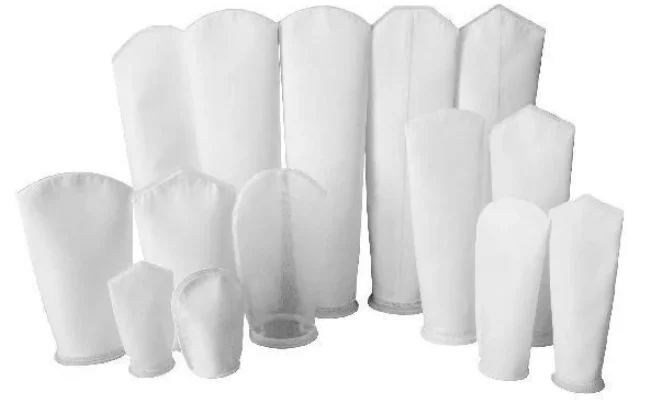
Filter bags are essential components of baghouse systems and industrial dust collection units. They help capture particulate matter, dust, and contaminants from air or process streams, ensuring cleaner operations and regulatory compliance. Modern baghouse filtration systems can achieve particulate collection efficiencies exceeding 99% when properly designed and maintained.
Industries commonly using filter bags include:
- Cement manufacturing
- Steel and foundries
- Pharmaceuticals
- Chemicals
- Food processing
- Power plants
- Mining operations
- Textile manufacturing
- Wood processing units
Because filtration performance directly impacts production efficiency, selecting a reliable supplier becomes a strategic business decision.
Key Factors to Consider When Choosing a Filter Bag Supplier
- Evaluate Industry Experience
Experience is often the first indicator of supplier reliability.
A supplier serving industrial filtration markets for several years typically understands:
- Industry-specific filtration requirements
- Dust collection challenges
- Operating temperatures
- Chemical compatibility issues
- Regulatory compliance standards
Ask potential suppliers about their experience in your industry and request references from similar projects.
- Check Filter Media Options
Different industrial applications require different filter bag materials.
A good supplier should offer multiple filtration media such as:
| Filter Media | Suitable Applications |
| Polyester | General dust collection |
| Polypropylene | Chemical processing |
| Nomex (Aramid) | High-temperature environments |
| PTFE | Corrosive and demanding applications |
| Fiberglass | Power plants and cement industries |
| Acrylic | Moisture-prone operations |
The supplier should recommend the most suitable material based on operating conditions rather than simply selling the most expensive option.
- Verify Manufacturing Quality Standards
Filter bag performance depends heavily on manufacturing quality.
Evaluate:
- Stitching quality
- Seam strength
- Fabric consistency
- Dimensional accuracy
- Quality control procedures
- Raw material sourcing
Poor manufacturing practices often result in premature filter failures and increased maintenance costs.
- Assess Customization Capabilities
Every filtration system is unique.
The best filter bag suppliers provide customized solutions based on:
- Cage dimensions
- Dust characteristics
- Air-to-cloth ratio
- Operating temperature
- Chemical exposure
- Moisture levels
Avoid suppliers that only offer standard products without understanding your process requirements.
- Review Technical Support Services
A reliable supplier should act as a technical partner rather than merely a product vendor.
Look for suppliers offering:
- Filtration audits
- Site inspections
- Product recommendations
- Installation guidance
- Troubleshooting assistance
- Performance optimization
Technical expertise can significantly improve filter life and filtration efficiency.
- Confirm Compliance and Certifications
Industrial buyers should prioritize suppliers that follow recognized quality standards.
Check for:
- ISO certifications
- Quality management systems
- Material testing reports
- Product performance documentation
- Industry-specific compliance standards
India has a well-established certification framework governed by the Bureau of Indian Standards (BIS), making adherence to recognized standards an important indicator of quality.
- Evaluate Production Capacity
Large industrial facilities require consistent and timely supply.
Before finalizing a supplier, assess:
- Manufacturing capacity
- Inventory availability
- Lead times
- Emergency supply capabilities
- Logistics network
A supplier unable to meet demand can disrupt production schedules and maintenance planning.
- Compare Total Cost, Not Just Price
Many buyers focus solely on purchase price.
However, the true cost of a filter bag includes:
- Service life
- Filtration efficiency
- Maintenance frequency
- Downtime costs
- Replacement expenses
- Energy consumption
A slightly higher-priced filter bag that lasts significantly longer often delivers better value than a cheaper alternative.
Questions to Ask a Filter Bag Supplier
Before placing an order, consider asking:
- Which industries do you currently serve?
- What filter media options are available?
- Can you provide customization support?
- Do you offer on-site technical assistance?
- What testing procedures do you follow?
- What is your average lead time?
- Can you share customer references?
- What warranty or performance guarantee do you provide?
The answers will help you assess both product quality and supplier credibility.
Red Flags to Watch For
Avoid suppliers that:
- Cannot explain filtration specifications
- Offer unusually low prices without justification
- Lack technical support teams
- Provide no quality certifications
- Have inconsistent delivery records
- Cannot provide sample products
- Avoid discussing testing procedures
Such warning signs often indicate poor manufacturing standards or inadequate industry expertise.
Characteristics of a Reliable Filter Bag Supplier
The best industrial filtration suppliers typically offer:
✔ High-quality filtration media
✔ Consistent manufacturing standards
✔ Strong technical support
✔ Custom engineering capabilities
✔ Competitive pricing
✔ Fast delivery timelines
✔ Proven industry experience
✔ Long-term customer relationships
When these factors are combined, businesses can reduce maintenance costs, improve filtration performance, and achieve better operational efficiency.
Future Trends in Industrial Filtration
Industrial filtration is evolving rapidly with growing focus on:
- Energy-efficient filtration systems
- Longer-lasting filter media
- High-temperature filtration solutions
- Sustainable manufacturing practices
- Advanced dust collection technologies
- Predictive maintenance and monitoring
Businesses that partner with innovative suppliers are better positioned to improve environmental performance and meet future regulatory requirements.
Conclusion
Choosing the best filter bag supplier in India requires more than comparing prices. Businesses should evaluate product quality, technical expertise, customization capabilities, certifications, manufacturing standards, and after-sales support before making a decision.
A trusted supplier becomes a long-term partner in maintaining operational efficiency, reducing downtime, and ensuring compliance with environmental regulations. By focusing on quality, reliability, and technical competence, industrial buyers can maximize the performance and lifespan of their filtration systems while achieving a stronger return on investment.